




Energy calculation as a service ECaaS
ECaaS provides an API to the Home Energy Model so users can produce software, and a basic frontend so users can validate building designs.
Energy Calculation as a Service (ECaaS) is a calculator service run by MHCLG (Ministry of Housing, Communities, and Local Government) that provides a performant implementation of the Home Energy Model (HEM), a methodology for predicting the energy performance of buildings, for various future statutory purposes including, but not limited to, calculating compliance with the Future Homes Standard (FHS).
The service takes the form of an API that can be used by authorised bodies to build software for statutory purposes that require calculations using the Home Energy Model. The service will become the only valid means to confirm compliance with Part L of the Building Regulations when referring to the Future Homes Standard. For other users, the underlying software libraries are open source and can be used to conduct calculations for non-statutory purposes.
For access to the ECaaS API contact ECaaS@communities.gov.uk
The Rust library used by ECaaS, developed within MHCLG, can be found on GitHub, and the Python implementation written by BRE under commission from DESNZ (Department of Energy Security and Net Zero) is published on BRE’s Azure DevOps space.
A basic web frontend is being developed to support stakeholders as they familiarise themselves with the HEM methodology and work out the impact on the types of home that they are building.
This article is based on the UK government "Guidance Energy calculation as a service (ECaaS): Access the Home Energy Model" published on 3 February 2025.
[edit] Related articles on Designing buildings
- Air permeability testing.
- Air tightness.
- Applying Fabric First principles: Complying with UK energy efficiency requirements FB 80.
- Approved building energy calculation software.
- Approved documents.
- Building Regulations.
- Building Research Establishment.
- Brief notes on proposed changes to EPCs.
- Changes in SAP 10.
- Co-heating test.
- Conventions for U-value calculations (2006 edition) BR 443.
- Dynamic Simulation Model.
- Emission rates.
- Energy efficiency of traditional buildings.
- Energy Performance Certificates.
- Energy Performance of Buildings Directive.
- Home Energy Model comparisons: SAP 10.2, PHPP, ESP-r and the new HEM.
- IHBC responds to Energy Company Obligation ECO4 and PAS 2035.
- Minimum energy efficiency standard (MEES).
- National Calculation Method.
- Passivhaus vs SAP.
- Standard Assessment Procedure SAP.
- Simplified Building Energy Model.
- Target fabric energy efficiency rate.
- The Home Energy Model and Future Homes Standard assessment wrapper.
- Thermal dynamic analysis.
- U-value conventions in practice: Worked examples using BR 443.
- What is the new Home Energy Model or HEM?.
Featured articles
Check out some of the best features and news from Designing Buildings as well as key stories from around the web.

CIOB celebrates positive Ofsted report.

The Building Safety Regulator announces a call for evidence.

Government approach could undermine delivery and regeneration.
World's first mass timber data centre.

The overlooked environmental aspect of data centre development.
Introduction to radon awareness

New technical information sheet published by CIOB.

Updated supplier guide can help electrical contractors engage with NHP.

CIAT confirm the winners of the 2026 architectural technology awards.

Government launches a one stop shop for flood preparedness.
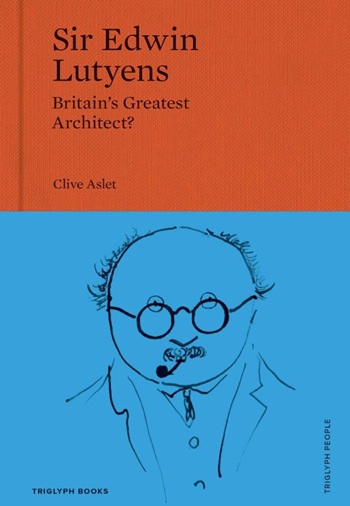
Sir Edwin Lutyens: Britain's greatest architect? Book review.
CIOB publishes free template to help assess and manage risks.
ECA's reflections on Party Conference season

Burnham wants to be confident of winning before asking for a fresh mandate.
New Chief Construction and Scientific Adviser

Sergio Cavalaro, Professor of Infrastructure Systems at Loughborough University.